For companies across Syracuse and Central New York, regional growth is starting to become a facility decision.
Across Central New York, companies are moving from watching growth to planning around it. Where will the workers come from? Is there enough power? Is there a site or an existing building that could work? How long will it take to be up and running?
Those questions start long before anyone breaks ground, and the answers often depend on people who don’t always sit at the same table. Through the industry events and conversations VIP participated in this fall, a common theme emerged: the value of strong relationships across workforce, infrastructure, manufacturing, real estate, and construction as Central New York grows.
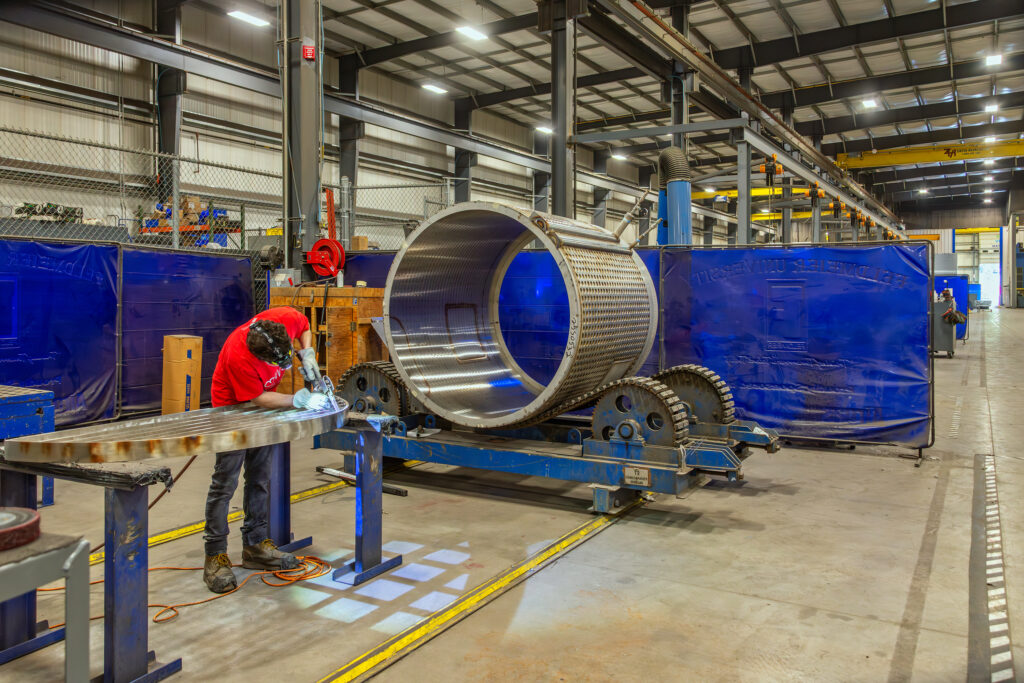
Inside Feldmeier Equipment’s 82,500 SF expansion, built while two production shifts kept running. Feldmeier President & CEO Colby Clark was a panelist at Boulter’s Pints & Partnerships event. Read the Feldmeier Equipment expansion case study →
Growth Starts with Relationships

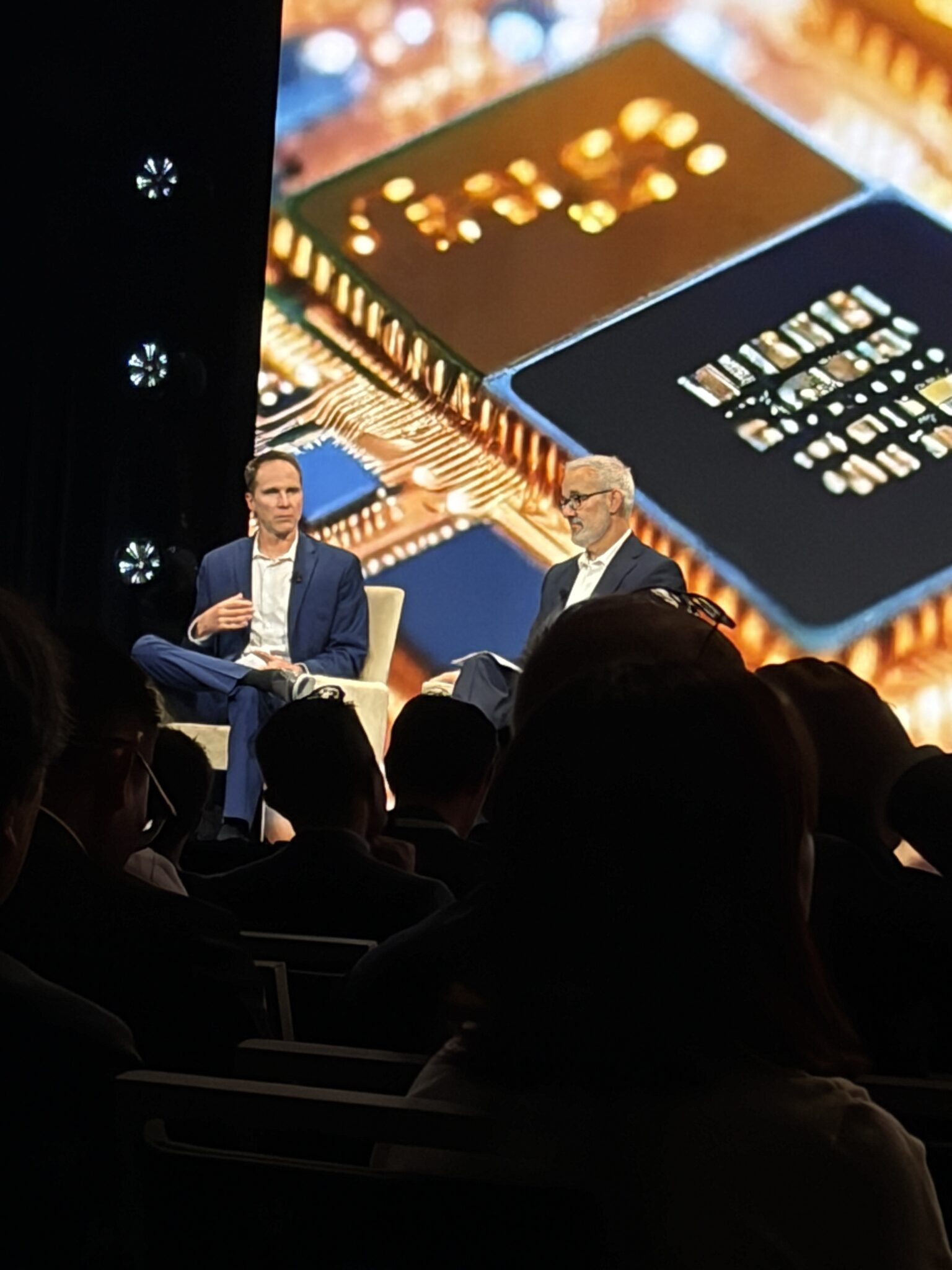
At Boulter Industrial Contractors’ October Pints & Partnerships event, leaders from across Central New York talked about the relationships behind successful businesses and projects. For Mike Durkin, VIP’s Vice President of Client & Investor Relations, the conversation also put the region’s current growth into perspective.
One point nearly everyone on the panel agreed on was the value of relationships built before they’re urgently needed. Trust established on the good days can make difficult conversations easier when challenges arise.
That matters because the growth taking shape across Central New York will cross industries, institutions, municipalities, utilities, workforce organizations and businesses of every size.
“When I graduated in the 1980s, I was one of the few of my friends who stayed in Syracuse,” Mike said. “The last ten years have been amazing. There are opportunities here now that just didn’t exist when I graduated. What’s changed is the willingness to work together, even when we’re competing, and say, ‘Let’s keep this local."
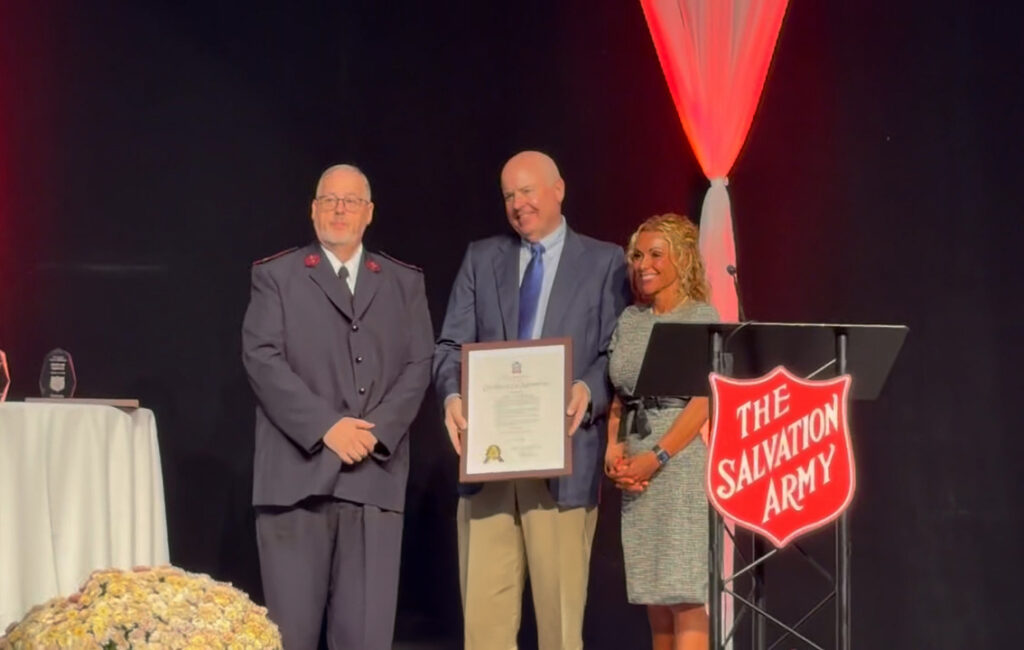
Mike Durkin, Vice President of Client & Investor Relations at VIP Structures (second from left) speaks during Boulter Industrial Contractors’ Pints & Partnerships panel at the Syracuse Mets’ Metropolitan Club.
The Right Decisions Start Before the Building

At MACNY’s Annual Legislative Breakfast, VIP CEO Meg Tidd joined leaders from manufacturing, utilities, and government affairs for a conversation about the challenges and decisions shaping growth in Central New York.
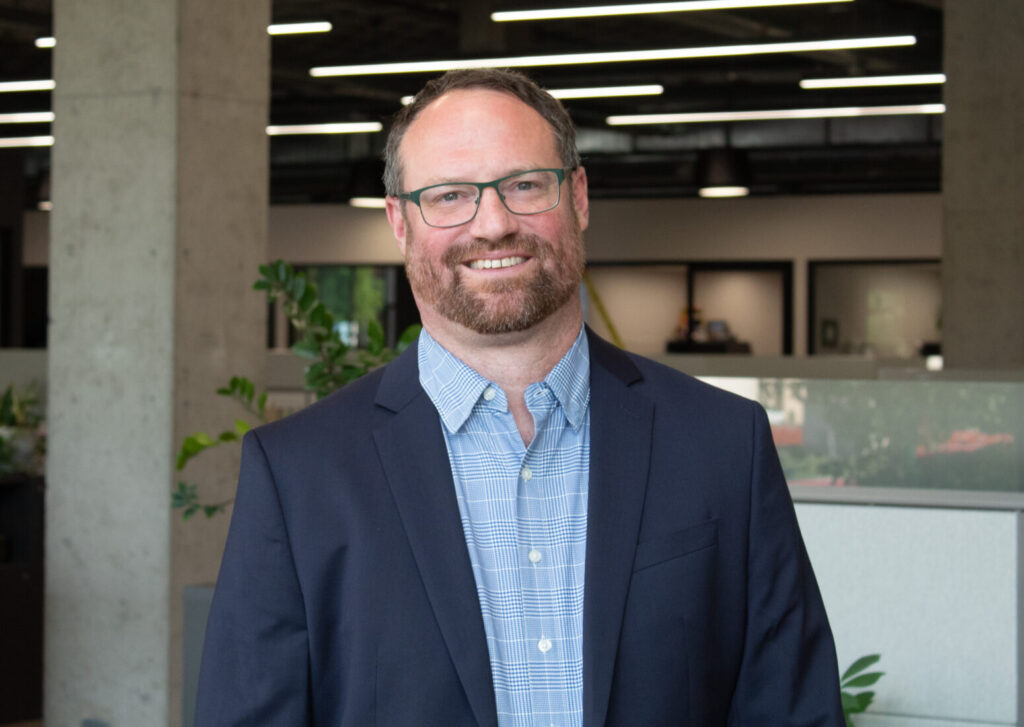
Vince Raymond, VIP’s Vice President of Client Relations, came away with a simple observation: growth takes more than one perspective. “When companies grow, they face things they can control and things they can’t,” he wrote after the event.
“When companies grow, they face things they can control and things they can’t.”
Vince Raymond, Vice President of Client Relations at VIP Structures
People in the room were looking at growth from different angles, but talking about many of the same challenges. Some of those challenges are bigger than any one company. Others come down to decisions a company makes, and how early it makes them.
For a manufacturer, a facility decision can depend on far more than square footage. Power availability, infrastructure, equipment, permitting, site readiness, incentives, operations, logistics, and future expansion can all determine whether a location will actually work. That is why site selection should not begin with, “What properties are available?” It should begin with, “What does this operation need to do?” For companies weighing growth, the building is only one part of the decision.
In Practice: The Decisions That Happen Before the Building
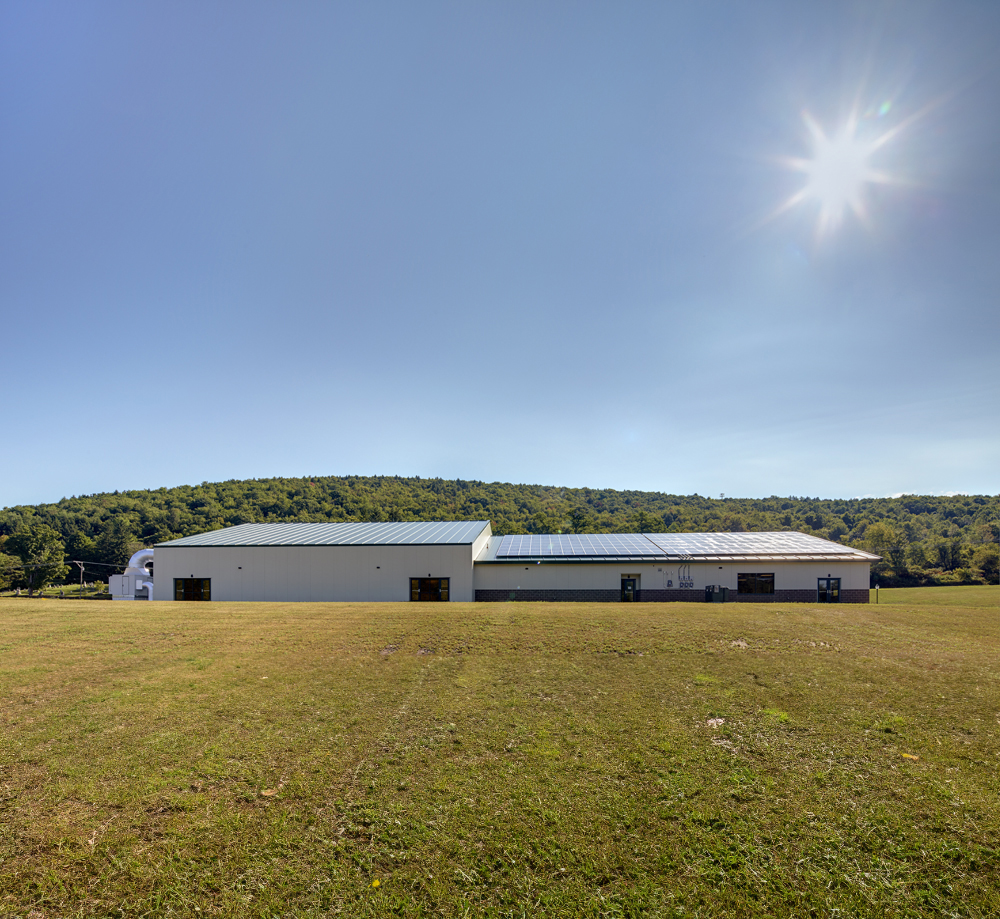
VIP saw the importance of this approach firsthand while working with Bluefors, formerly Cryomech, on its manufacturing facilities in Central New York. The company’s manufacturing needs, electrical demand, infrastructure requirements, future growth, and available sites all had to be considered together before the right path became clear. Several potential sites were eliminated because they would not be able to support the company’s long-term power requirements.
At SEMICON, The Question Changed to "When"
Mike Durkin has attended the SEMICON West conference for four straight years. In earlier years, much of the conversation centered on understanding the scale of Micron’s investment in the Syracuse area and what it could mean for Central New York.
This year at SEMICON, companies in the semiconductor supply chain were asking different questions:
What would we need to relocate in the Syracuse area?
How close do we need to be to the Micron site in Clay?
When do we need to get started?
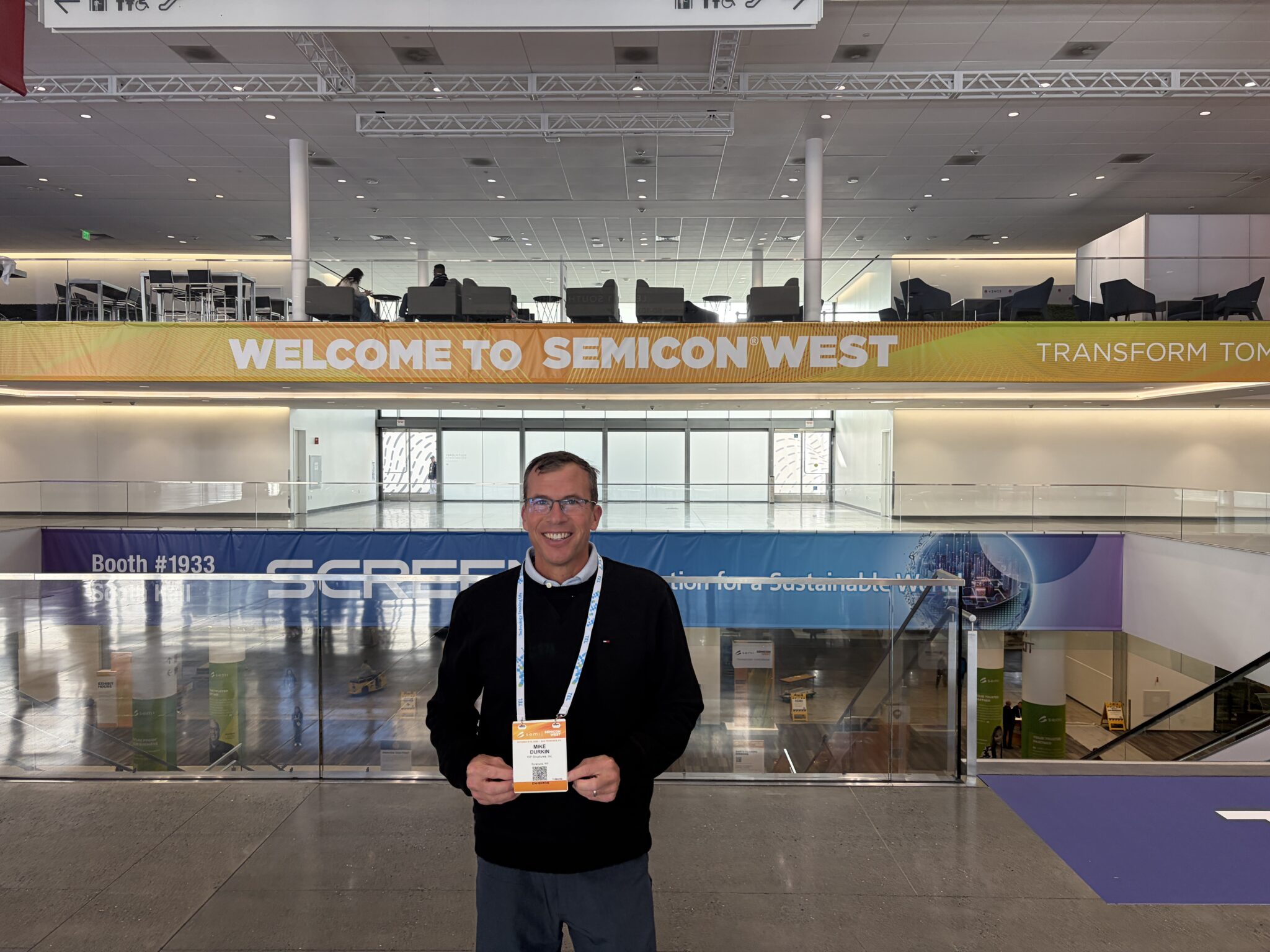
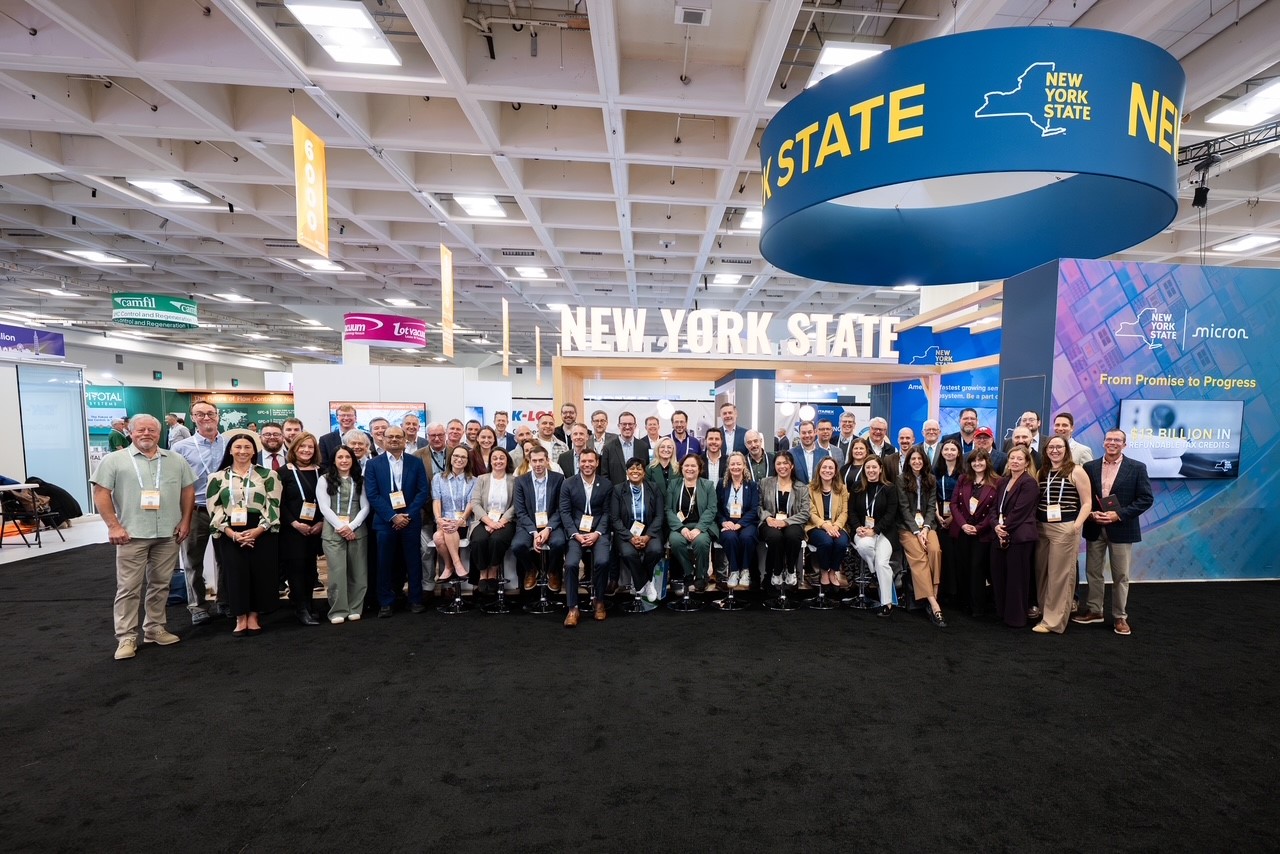
Mike came home from conversations with companies already exploring facilities in the region.
Micron has said production at its New York fabs is expected to begin in 2030. For suppliers that need to be operating in the Syracuse region by then, the date that matters comes years earlier, when decisions about sites, power, infrastructure, design, permitting, and construction have to start. The planning question shifts from “When do we need to build?” to “When do we need to be operational, and what has to happen before then?”
Planning backward from that date helps companies spot issues early, such as power, site, or approval challenges, while there’s still time to choose another option. Starting early also matters because if many companies begin at the same time, they may be competing for the same sites, utility capacity, and construction schedules.
The question for Syracuse and Central New York is no longer only How much growth is coming? It’s also What needs to be ready when it gets here?
Growth Becomes Physical: New Purpose For Syracuse Sears Building
Suppliers aren’t the only ones who will need space. Semiconductor investment, workforce development, and business growth all eventually need places to happen: production space for a manufacturer, a site with enough power for a supplier, or a place to train the people who will fill new jobs.
Sometimes, the right place already exists.
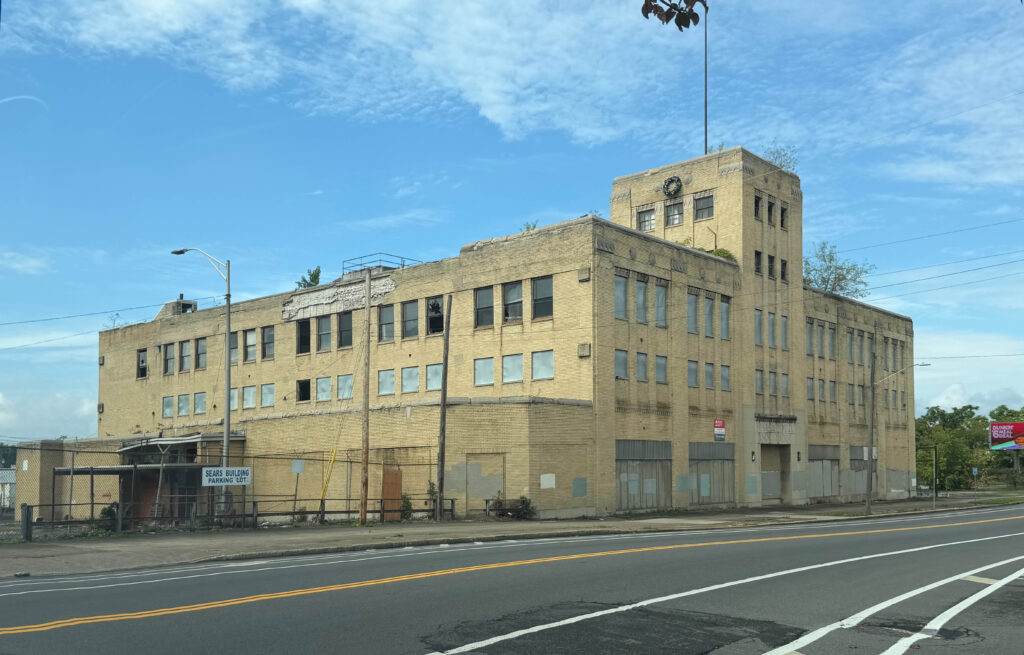
The historic Sears Building at 1300 South Salina Street opened as a Sears store in 1929 and closed in 1974. Today, it is planned as the future home of the CNY ON-RAMP Workforce Training Center, New York State’s flagship ON-RAMP center, preparing people for careers in advanced manufacturing, including semiconductors.
CenterState CEO selected VIP as master developer for the redevelopment, and VIP is overseeing planning, with CNY ON-RAMP as the anchor tenant. The project brings together several forces shaping Central New York’s growth: workforce training, advanced manufacturing, and the adaptive reuse of a historic Syracuse building.
Preparing for What Comes Next: Facility Planning Starts Early
From regional conversations about collaboration to national discussions about semiconductor investment, the events of this fall offered different perspectives on Central New York’s growth and the planning taking place across industries.
Every company’s path will look different. In our experience, though, the earlier companies start planning, the more options they have. For businesses considering expansion, relocation, or new facilities in Central New York, early planning provides time to understand operational needs, evaluate potential sites or existing buildings, coordinate with utilities and municipalities, and determine the most practical path forward. It’s also when relationships matter most.
The best time to bring the right people together is before the answers become urgent.
Considering a new facility, expansion, or relocation in Syracuse or Central New York?