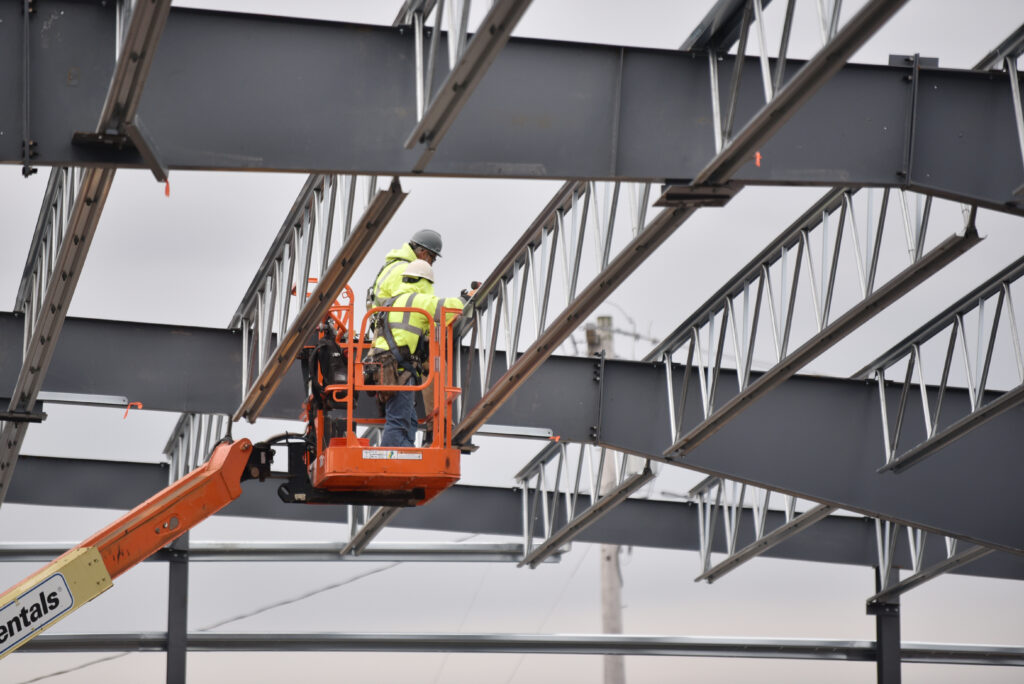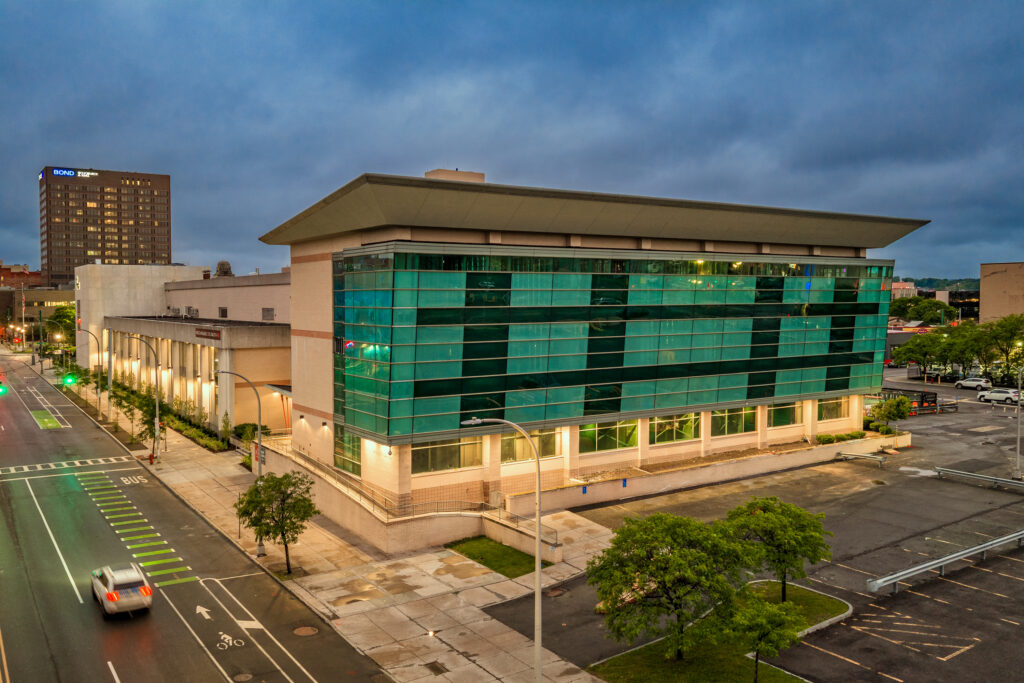
One thing is for sure, construction safety should not be taken lightly. Completing building projects on time and on-budget is important for a construction firm, but on-the-job safety should never be put at risk to accomplish those goals. Construction is a high-hazard industry, and strong safety practices help project teams recognize, address, and reduce jobsite risks before incidents occur.
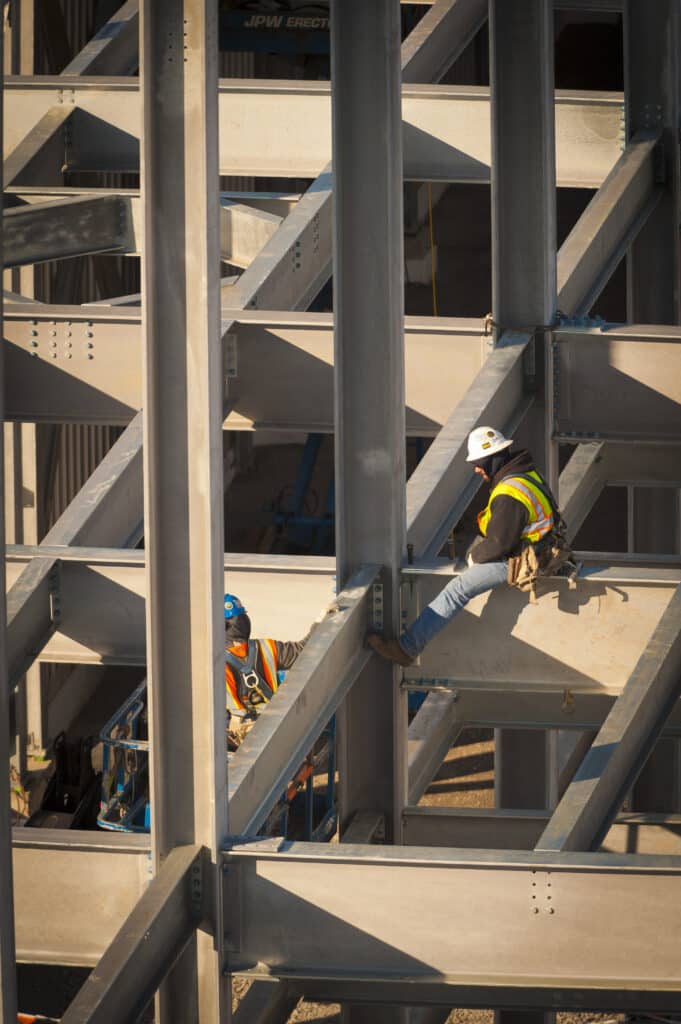
Construction safety remains a major focus across the industry. OSHA continues to emphasize the Construction Focus Four hazards: falls, caught-in or -between hazards, struck-by hazards, and electrocution. OSHA’s most frequently cited standards also continue to include construction-related areas such as fall protection, ladders, scaffolding, and fall protection training.
Here are seven ways to support construction safety management:
Tip 1: It’s a Culture, and it Starts from the Top: As is the case with many company initiatives, leadership plays an important role in keeping safety visible throughout an organization. Leaders must not only speak about safety, but also reinforce it through decisions, expectations, training, and jobsite communication. Companies that perform well in this area involve management in training sessions, safety meetings, and ongoing project conversations. Safety becomes part of the company culture when it is consistently reinforced by leadership and understood by the people doing the work.
Tip 2: Be Committed, Always: Safety is one of those core values that is often assumed but still needs to be reinforced. A consistent commitment to safety helps discourage shortcuts and reinforces the importance of following established procedures. Commitment is an everyday responsibility. Rather than waiting for concerns to appear on site, project teams should continue looking ahead, identifying potential issues, and addressing safety expectations throughout the work.
Tip 3: Planning and Training: Too often, the construction industry can be reactive in its approach. Planning and training help project teams identify potential safety concerns before work begins and make appropriate adjustments before those concerns become field issues. Safety planning should be part of the project process. Addressing potential hazards early can help the team think through site logistics, access, equipment, fall protection, temporary conditions, and other project-specific considerations. Training should also be clear, practical, and connected to the work being performed. The best time to address a safety concern is before it happens.
Tip 4: Keep Safety Top-of-Mind: It’s easy to get caught up in day-to-day work and lose sight of the bigger picture, particularly when schedules are tight and many activities are happening at once. Safety should remain visible throughout the project. This may include signage, daily check-ins, toolbox talks, pre-task planning, site walks, and regular communication with field teams and trade partners. Encouraging workers to take ownership of safety helps make it everyone’s responsibility to notice changing conditions and speak up when something needs attention.
Tip 5: Everyone is Accountable: All workers from management to those in the field need to be held accountable for safety. It’s everyone’s responsibility and the best construction firms in Syracuse, NY consistently enforce this. Some good advice here is to create safety committees for projects. These committees can consist of all levels of roles and titles. Creating safety champions in each department ensures all groups have a voice.
Tip 6: Safety Audits and Checklists: Self-assessments, checklists, and regular site observations can help project teams evaluate safety protocols and jobsite conditions. Teams should document observations, including items that may fall outside a standard checklist. This information can help project managers and construction teams identify priority areas, address concerns, and improve planning before issues become more significant. Used consistently, audits and checklists are not just paperwork. They are tools that help keep safety expectations visible and actionable.
Tip 7: Encourage Near-Miss Reporting: A near miss should be taken seriously. Although an incident may have been avoided, that does not mean the condition should go unrecorded. Encouraging employees to recognize and report near misses gives the team an opportunity to learn from what happened, address the condition, and reduce the chance of a similar concern happening again. Although reporting takes time, it can help prevent future incidents and strengthen the safety culture across the project team.