
Case Study: Bluefors Cryocoolers, Inc. (formerly Cryomech)
Need to Expand but Not Sure Where to Start?
A practical guide to planning, designing, and delivering a high-performing manufacturing facility.
Building or expanding a manufacturing facility is one of the most complex and significant investments a company can make — and many decisions that determine success happen long before construction begins, often before a site is even selected.
Since 2018, VIP Structures has partnered with Bluefors, then operating as Cryomech, to support the company’s rapid growth through multiple phases of facility planning, development, and expansion — from a new 76,500 SF advanced manufacturing facility to a 35,000 SF expansion completed in 2024.
The Right Time for a Capital Project
When the Facility Starts Holding Growth Back
For many manufacturers, the challenge begins when growth starts outpacing the existing facility. Signs that a facility is holding growth back can appear gradually. Production becomes harder to scale. Infrastructure reaches its limits. Workarounds become routine.
That’s exactly what happened for Bluefors in Syracuse. As demand for cryogenic technology and quantum computing applications accelerated, the company quickly outgrew its existing facility. Power limitations and constrained production capacity created bottlenecks that could no longer support long-term growth.
At one point, the facility no longer had enough electrical capacity to efficiently support production growth. That moment forced a much bigger question: Was the facility still supporting growth — or starting to hold it back?
“You’re running a business, you’re trying to get as much throughput without a capital project and avoid it as long as you can.”
“We were just grabbing all the space we could and configuring things as best we could and the flow wasn’t great.”
“We had to shut machines off to start new machines.”
“We waited way too long.”
Where and when to Start Planning a Facility Expansion
Many manufacturers ask the same question, “where do we start when planning a facility expansion?” That question became the foundation for a recent session presented through MACNY featuring VIP Structures and Bluefors, focused on the real-world roadmap behind planning, designing, and delivering a high-performing advanced manufacturing facility
The challenge isn’t simply constructing a larger building. The challenge is determining:
- What kind of facility is truly needed?
- Where should it be located?
- How can it be planned to support continued growth?
- How will infrastructure and utilities support long-term operations?
- How can the process move quickly without creating unnecessary risk?
Get the full presentation recording, downloadable roadmap framework, and real-world lessons from the Bluefors manufacturing expansion project.
Why Manufacturing Facility Expansions are so Complex
Industrial and advanced manufacturing projects involve far more than designing a building. Successful projects require alignment between:
- operations
- workflow
- utilities
- infrastructure
- power availability
- site constraints
- permitting
- incentives
- financing
- construction sequencing
- future expansion planning
Manufacturing buildings must be designed around the manufacturing process itself. The manufacturing process drives design — operational decisions made early in the process directly influence building size, land requirements, utility demand, site feasibility, expansion capability, and long-term operational performance.
“The manufacturing process drives architecture and engineering design.”
A Roadmap for Manufacturing Facility Expansion
When planning a manufacturing facility expansion, successful projects follow a series of interconnected steps that align operations, infrastructure, site strategy, and execution early.
Define Operations
Site Strategy
Project Readiness
Execute
Optimize & Grow
Space needs
Power + infrastructure requirements
Manufacturing workflow + layout
Develop site selection criteria
Investigate sites
Final selection
Incentives strategy
Final due diligence and right to build
Schedule integration
Cost alignment
Final agreement
Construction
Operational efficiency improvements
Expand capacity + throughput
Built-in flexibility for future expansion
Define Operations First
Every successful manufacturing facility starts with operational planning — not building design. Before evaluating sites or developing floor plans, manufacturers need to understand:
- How much space is required today
- Future growth needs
- Power and infrastructure needs
- Workflow and material movement
- Storage and shipping requirements
- Equipment needs
- Staffing and operational flow
This process allows manufacturers to rethink workflow, adjacencies, throughput, storage, shipping, and production efficiency before carrying old constraints into a new facility.

“We don’t want to assume the space you’re in today is optimized.”
Develop the Right Site Strategy
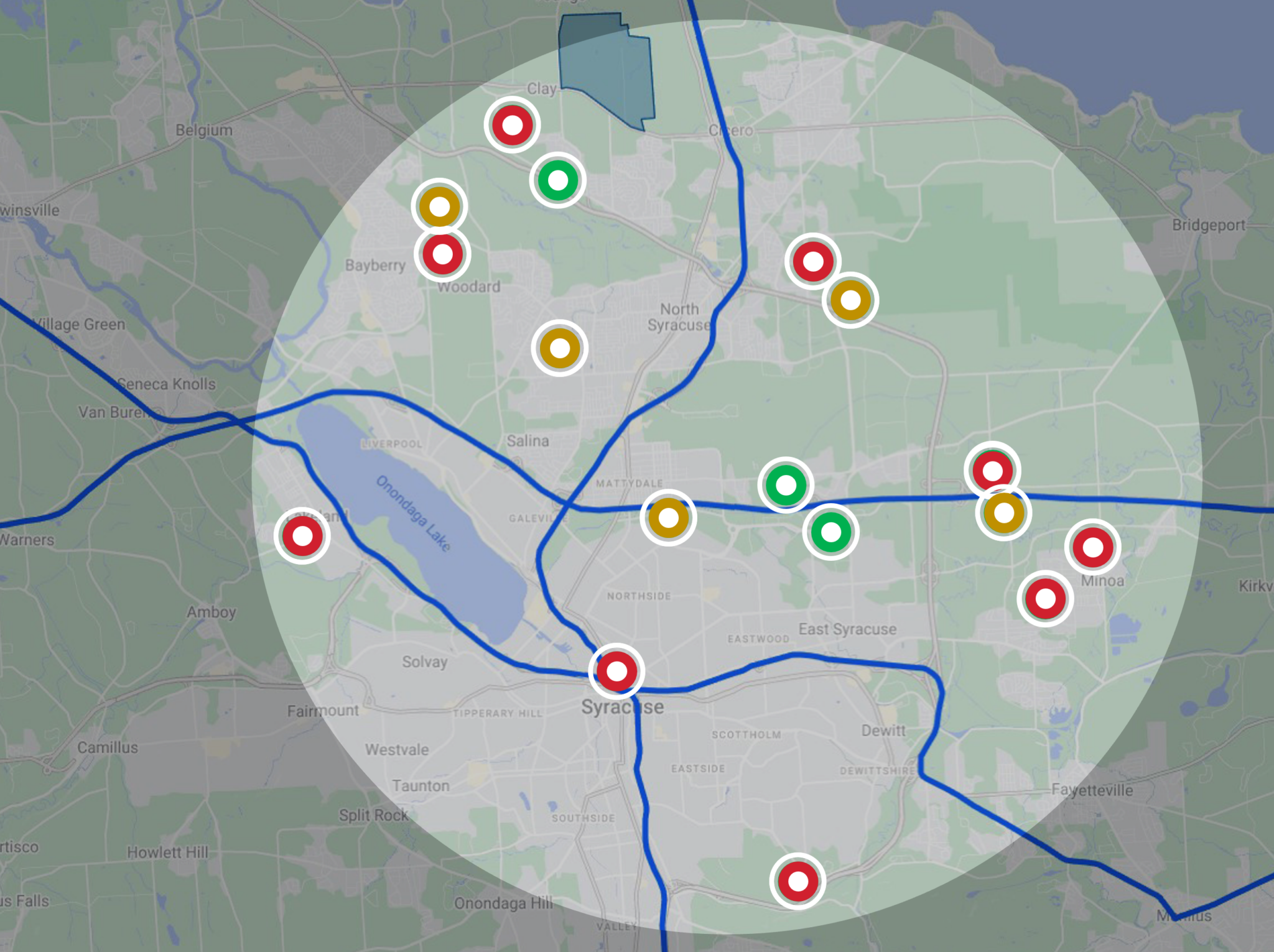
Once operational needs are defined, site selection can begin. For Bluefors, the process involved evaluating dozens of potential sites throughout Onondaga County before narrowing the list down through a structured evaluation process that analyzed:
- land availability
- geographic location
- utility capacity
- future expansion capability
- zoning
- wetlands
- permitting complexity
- development speed
- total project cost
One of the biggest differentiators for Bluefors became power availability. After working directly with National Grid, several sites were eliminated because they could not support the long-term electrical demands required for Bluefors’ future manufacturing growth.
Align Incentives, Design, and Financial Strategy
While site evaluation was underway, design and project planning continued simultaneously.
This included facility programming, engineering coordination, permitting strategy, economic development incentives, lease structure, financing, and long-term expansion planning.
Economic Development incentives were discussed early, played an important role in the project strategy, and were evaluated alongside site selection, infrastructure readiness, and operational planning. The project team pursued Empire State Development grants, National Grid incentives, OCIDA benefits, and PILOT programs. During site selection, incentive availability became another differentiator between potential locations.
Key Insight:
For advanced manufacturing projects, incentives should be evaluated as part of the overall expansion strategy — not after a site is selected. Programs such as PILOT agreements, utility incentives, and economic development grants can significantly affect project feasibility, occupancy costs, development speed, and long-term operational flexibility.
Execute Through Integrated Delivery
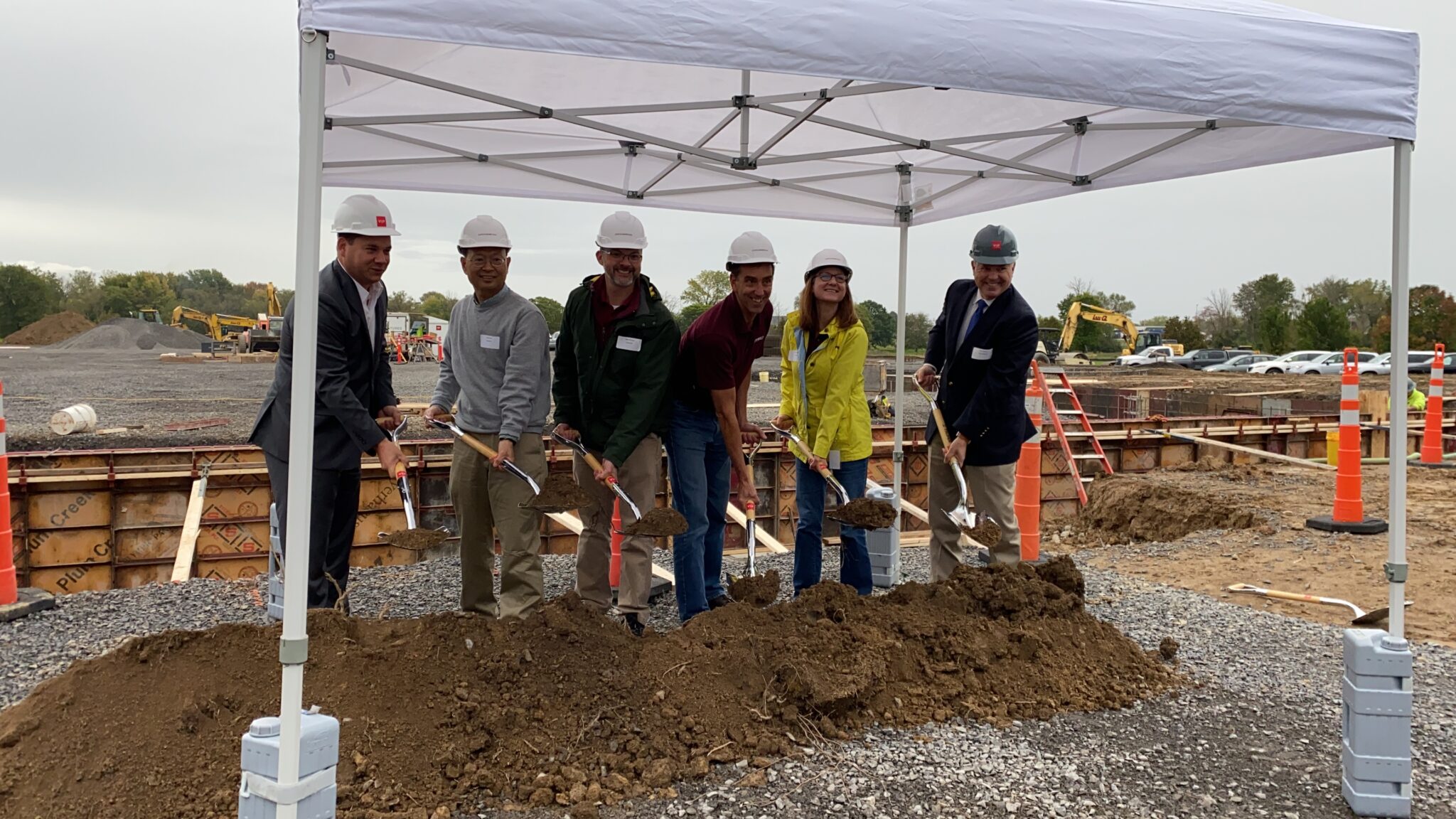
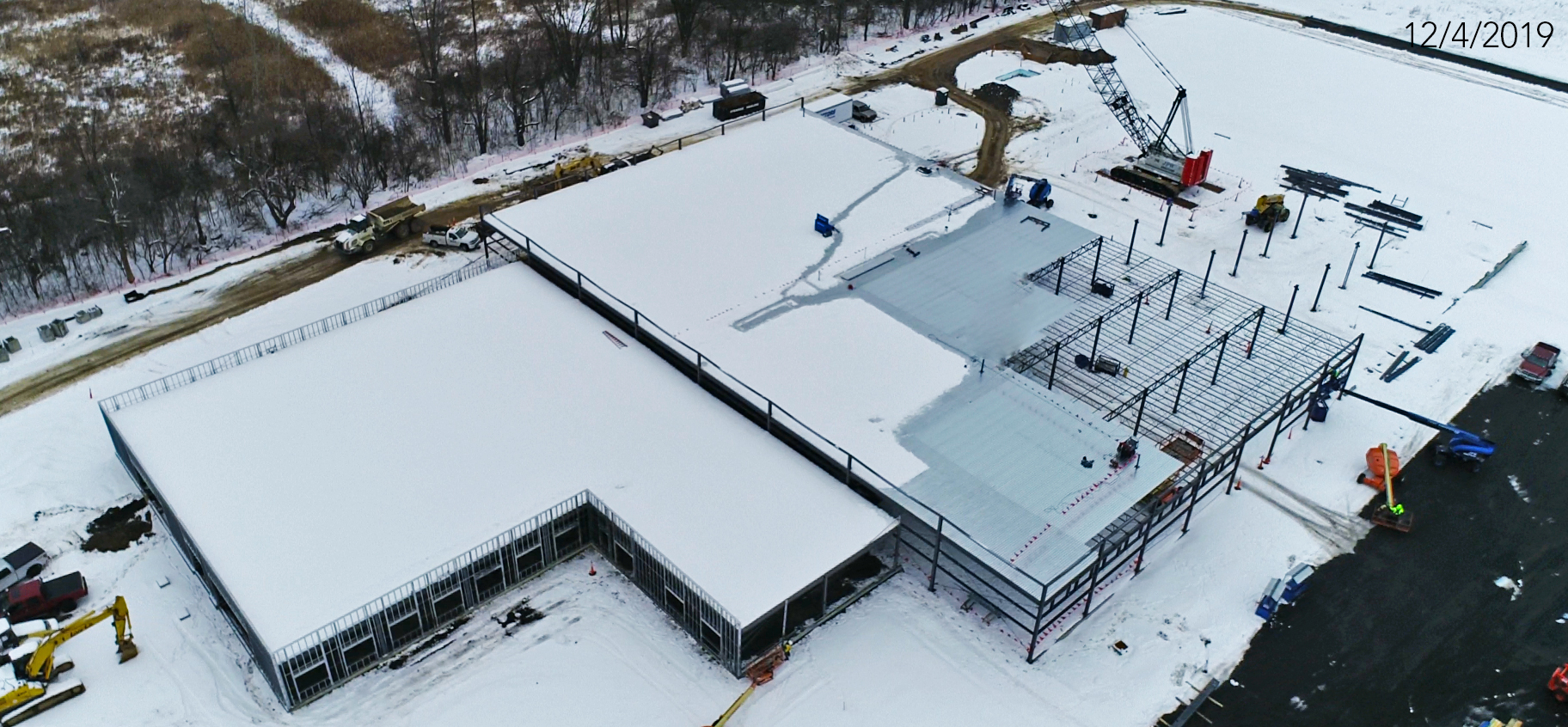
One of the biggest advantages of VIP’s integrated delivery approach during the Bluefors project was speed. Because design, construction, pricing, and development activities were aligned early, construction was able to begin before final design completion. This allowed the team to begin site work early, order long lead-time materials sooner, and accelerate occupancy.
Just as important, the integrated approach provided a single point of responsibility that helped Bluefors navigate the complexity of a highly involved process. By working with a single team across planning, development, design, and construction, coordination was streamlined, decision-making accelerated, and Bluefors had confidence that the full scope of the project could be coordinated through VIP.
“Choosing the right partner certainly made our life much easier…Everything that we needed done, VIP could provide.”
What the Right Partnership and Facility Can Unlock
One of the strongest themes throughout the session was the importance of collaboration and transparency early in the process. The team worked together to align operational goals, infrastructure planning, financial strategy, site readiness, and long-term scalability. That collaborative approach allowed critical decisions to happen earlier — reducing uncertainty, improving alignment, and accelerating progress throughout the project.
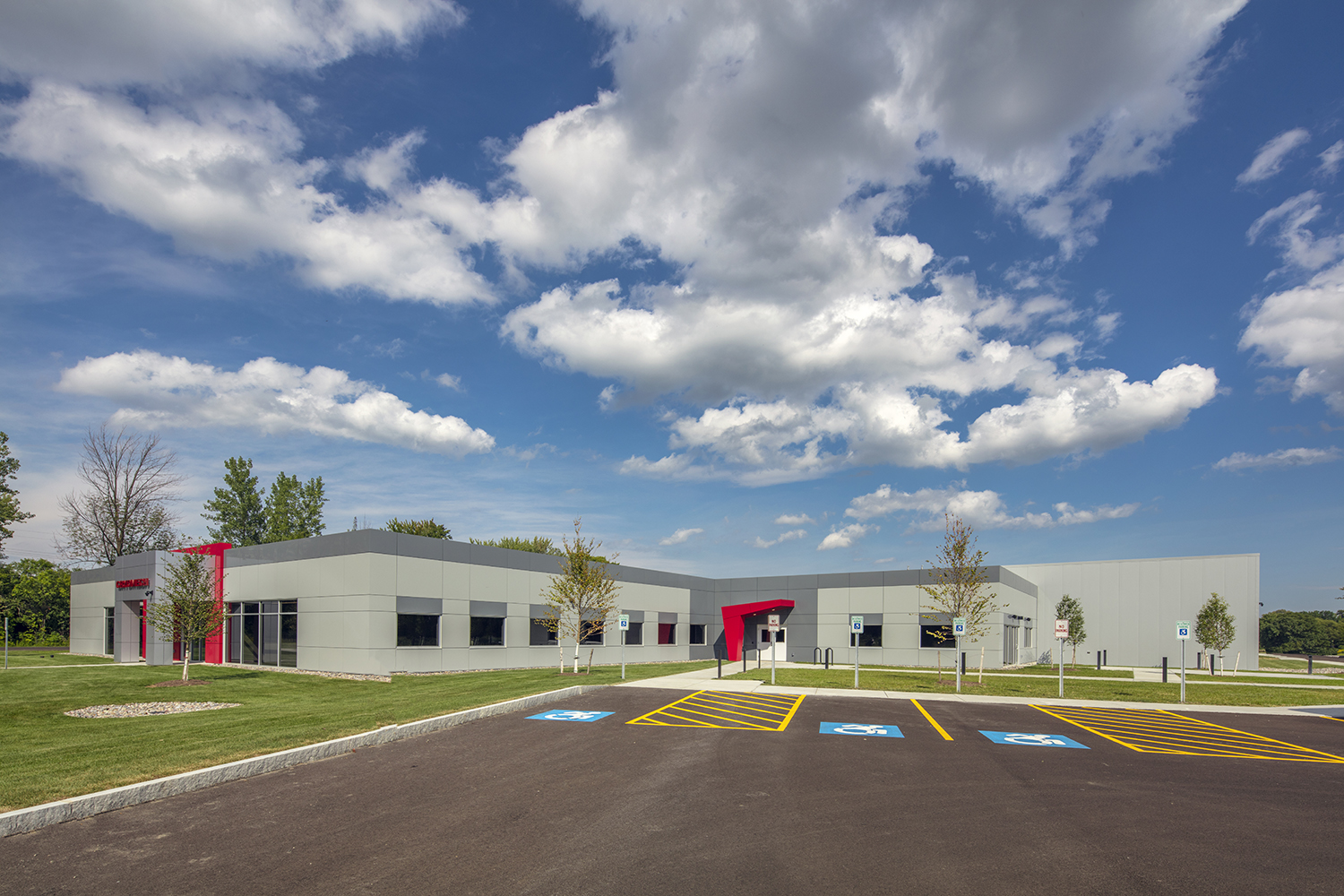
The result of the Bluefors–VIP partnership was a 76,500 SF advanced manufacturing facility delivered ahead of schedule despite the challenges of the pandemic. The facility was not only designed to support immediate operational needs, but also to provide the infrastructure and flexibility needed for future expansion. The partnership later continued with a 35,000 SF expansion completed in 2024, increasing production capacity by 45% and supporting the company’s continued growth.
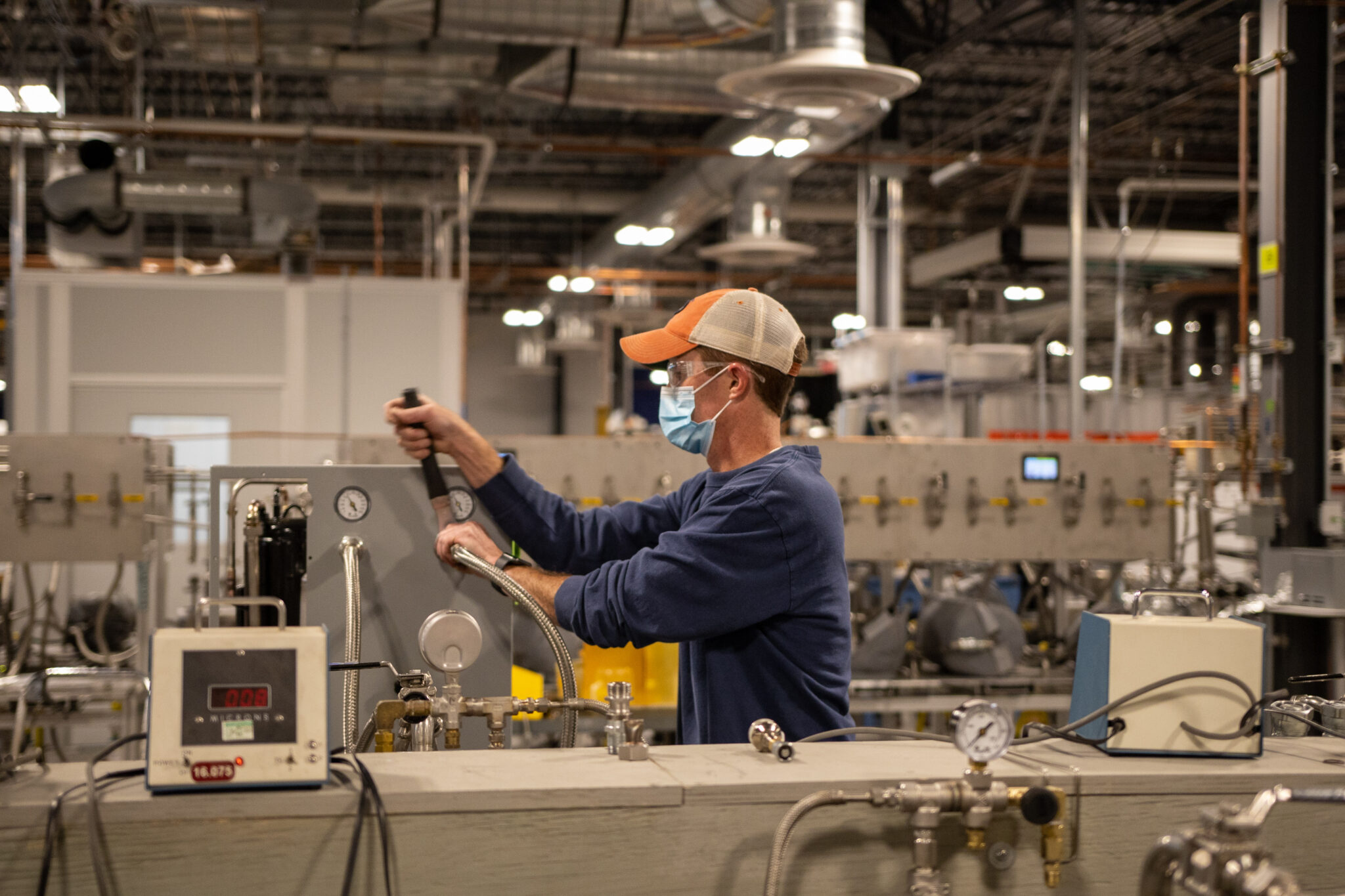
The transition from Bluefors’ former facility to the new manufacturing environment dramatically improved operational capability and positioned the company for future scalability. Rather than continuing to operate within the limitations of an increasingly constrained facility, Bluefors was able to move into a purpose-built manufacturing environment built specifically to support long-term growth.
Key Takeaways for Manufacturers
- Start early
- Operational planning drives facility design
- Site selection is more than location
- Integrated delivery accelerates progress
- Design for future expansion
When these decisions are aligned early, the impact extends far beyond square footage. Purpose-built manufacturing environments can help improve operational efficiency, increase throughput, support future expansion, improve recruitment and retention, strengthen customer perception, and position companies for long-term growth.
Frequently Asked Questions About Manufacturing Facility Expansions
When should a manufacturer start planning a facility expansion?
Many manufacturers begin planning only after operational constraints begin affecting growth. In many cases, operational inefficiencies, infrastructure limitations, and constrained workflows begin affecting growth long before companies formally begin expansion planning. The most successful manufacturing expansion projects start early — often before a facility reaches maximum capacity.
What are the early warning signs that a manufacturing facility is limiting growth?
Common warning signs include inefficient production flow, constrained storage or shipping capacity, infrastructure limitations, insufficient power availability, operational workarounds becoming routine, difficulty scaling production, and lack of room for future expansion.
Why is power planning so important for advanced manufacturing facilities?
Power availability can directly affect production capability, equipment requirements, operational scalability, site feasibility, and future expansion capacity.
How do manufacturers choose the right site for a facility expansion?
Manufacturing sites are often evaluated based on a combination of infrastructure readiness, utility capacity, operational fit, future expansion capability, permitting feasibility, geographic considerations, workforce access, and long-term occupancy costs. For advanced manufacturing companies in particular, infrastructure readiness is a key factor, as power availability, utility capacity, and long-term scalability can directly affect operational performance and future growth.
What are the advantages of design-build delivery for manufacturing projects?
Design-build delivery aligns planning, engineering, pricing, development, and construction under a single integrated process. This approach helps reduce coordination gaps, accelerate decision-making, improve cost alignment, and can shorten the timeline to occupancy. For the Bluefors project, construction activities were able to begin before final design completion because planning, pricing, and execution were aligned early in the process.
How do incentives affect manufacturing facility expansions?
Economic development incentives can significantly affect project feasibility, occupancy costs, infrastructure investment, development speed, and long-term operational flexibility. Programs such as PILOT agreements, utility incentives, Empire State Development grants, and other economic development incentives are often evaluated alongside site selection and infrastructure planning — not after the fact. For many advanced manufacturing projects, incentives become an important part of the overall expansion strategy and long-term financial planning process.
How should manufacturers plan for future growth during expansion?
Many manufacturing facilities are designed for scalability from day one. This often includes planning for future production increases, utility expansion, additional equipment, workflow evolution, future building additions, and long-term operational flexibility. For Bluefors, planning for future expansion early in the process ultimately enabled the company to expand the facility much sooner than originally anticipated, without many of the limitations that can affect facilities not designed for long-term growth.
Access the Full Manufacturing Expansion Session
If you’re evaluating a manufacturing facility expansion — or simply trying to understand what future growth may require — the full session goes deeper into the Bluefors manufacturing project, including:
- how operational planning drives facility success
- how power and infrastructure shape site selection
- how integrated delivery accelerates occupancy
- and how to plan for future growth from day one
